Fundamentals of visual communication and real project examples
Visual communication basics and real project examples
Message and hierarchy
Determining the order in which the title, description, and call to action will be perceived is the basis of design.
Typography and color
Typography, contrast and colour relationships support readability and brand recognition.
Medium and usage
The packaging surface, catalog page and phone screen require different dimensions and reading conditions.
Graphic design is the process of arranging text, visuals, colors and layout to convey a message clearly to a specific audience. Logo, catalogue, packaging, posters, social media content and digital interfaces are different application areas. A successful work does not only attract attention; It makes it easier for the reader to find information, recognize the brand, and understand the next step.
I'm Selçuk Aker. I am a graduate of Marmara University, Faculty of Fine Arts, Graphic Design; I work on brand identity, print communications and digital interface design. In this guide, I explain the basic concepts of the field, the deliverables you can expect from the designer, and the path you can follow when starting to learn, along with my own scope of work.
What is graphic design used for?
A product catalog can contain dozens of technical specifications. Showing them all as the same weight makes it difficult for the buyer to make comparisons. Putting the product name, area of use, photo and technical table in a row makes the information necessary for the decision visible. Graphic design helps establish this information order.
Differentiating the product on the shelf in the packaging, understanding the service in a short time in the brochure, and finding a communication path on the web page are different design problems. Using the same colors alone is not a solution. What the target audience knows, what they are looking for, and under what conditions they will see the image are also evaluated. Design can contribute to sales; However, it does not guarantee sales results regardless of product, price, access and service experience.
Elements and basic principles of graphic design
Elements are the materials of design: line, form, color, texture, photography, illustration and text. Principles explain how these materials will relate. Not all elements need to be present on a poster; A strong message can be created with text and space alone.
- Hierarchy: What to read first? Separate the title from the product information and the main message from the footnote.
- Contrast: Does the text stand out from the background? Are important areas dependent on color difference alone?
- Alignment and grid: Do the elements follow the same layout? This system maintains consistency in multi-page jobs.
- Balance and proportion: How does a large image, headline or empty space change the weight of the composition?
- Closeness and space: Is the information related to each other together? Space separates groups of content.
- Repetition and rhythm: Do the headlines, icons and page layouts help the reader identify the next section?
In an example catalog page, the product name may be largest, the description may be smaller, and the technical table may be regular. However, in a campaign poster, priority can be given to the message of the campaign, not the product name. Principles are for deciding based on context; Not to apply the same template in every job. You can refer to graphic design elements and principles guide for explanation of each element and principle with examples.
How to choose typography, colors and images?
Typography is not just choosing a font. Letter size, line spacing, line length, weights, and division of text together determine readability. A font family that displays Turkish characters correctly, has the necessary weights and is suitable for usage conditions should be selected. It may not be right to directly transfer the layout that works well on a small business card to a large billboard.
I don't make color decisions based solely on generalizations such as "this color gives confidence". Brand identity, differentiation from competitors, contrast with the background and production conditions are all important. Since the color reproduction methods of screen and printing are different, the profile and file conditions requested by the manufacturer are taken for printing. In addition to color, it is also useful to use a name, symbol, or other clear sign when distinguishing between different varieties of a product.
When choosing photos and illustrations, I check the relationship to the message, the area to be cropped, and the actual use size. It is not enough for the image to look large; The usage rights and technical quality of the file must also be appropriate. Typography guide and file formats guide detail these decisions.
Types of graphic design and the works I prepared
Brand identity and logo design
The logo is the sign of the brand; Corporate identity is the whole formed by this sign with color, typography and application rules. I handle logo design, business cards, letterhead, presentation and brand user guide needs within the same visual language. If brand name development is required, its scope is defined separately from logo production. You can review the submissions on the Corporate identity design page.
Catalog, brochure and publication design
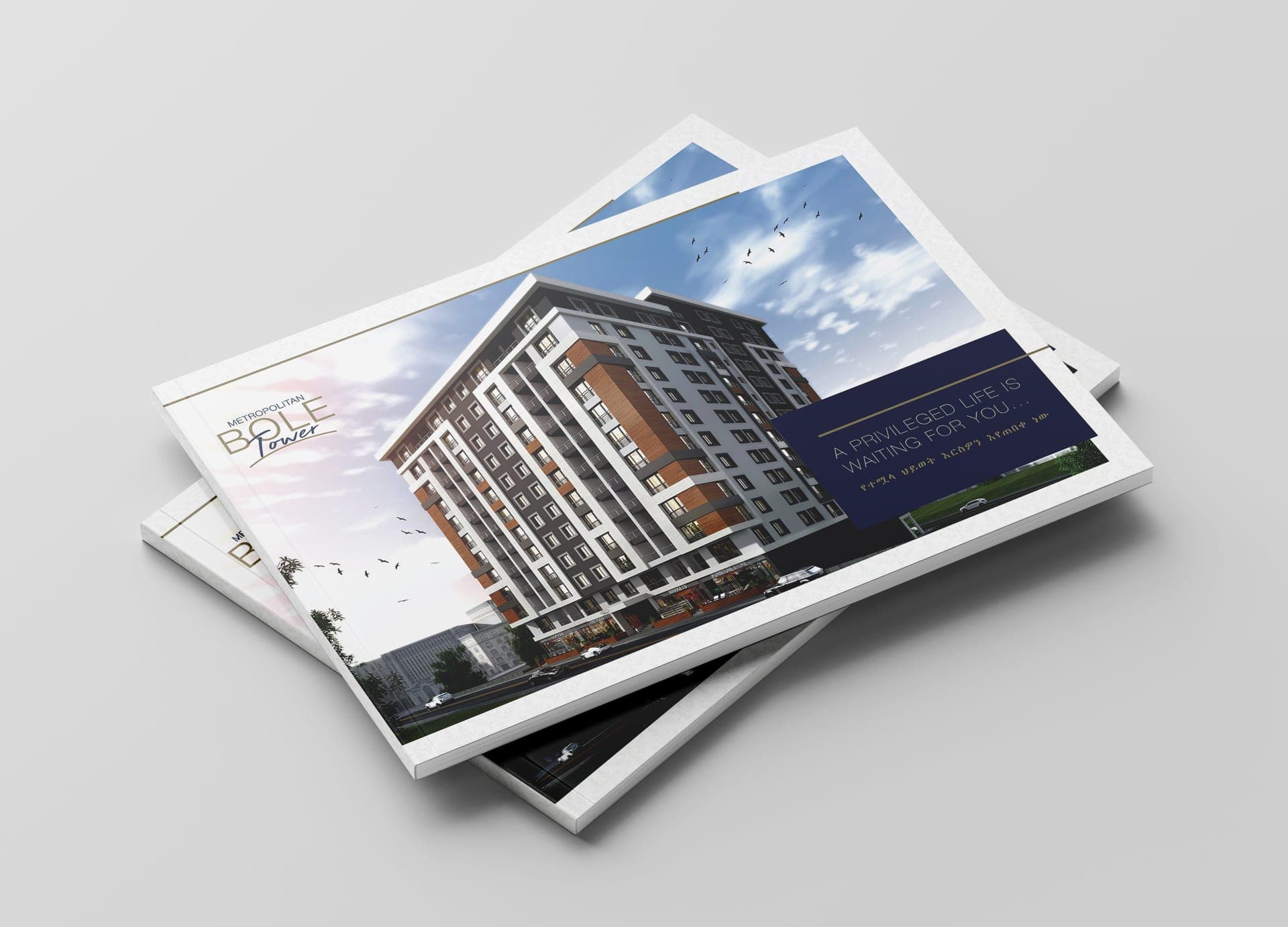
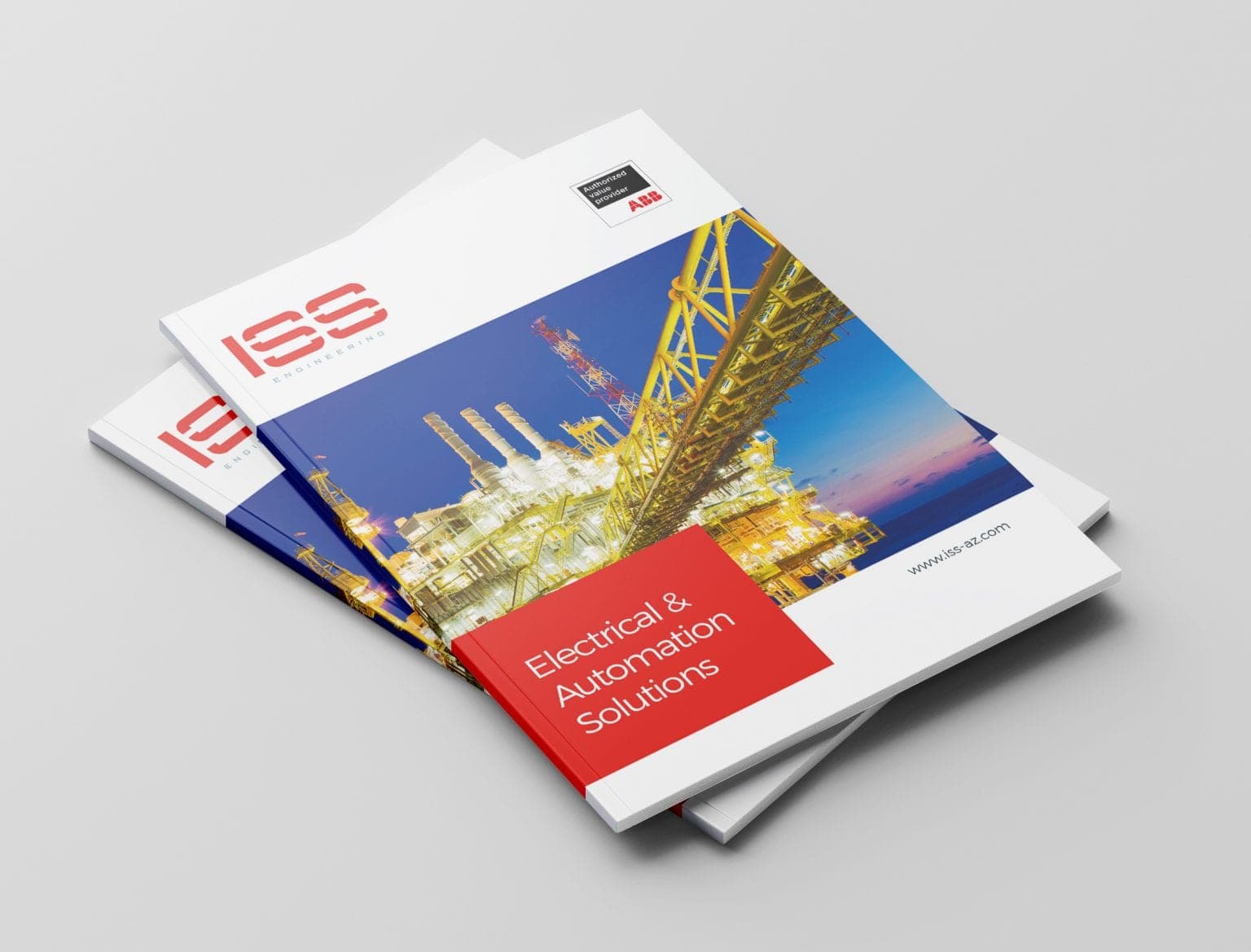
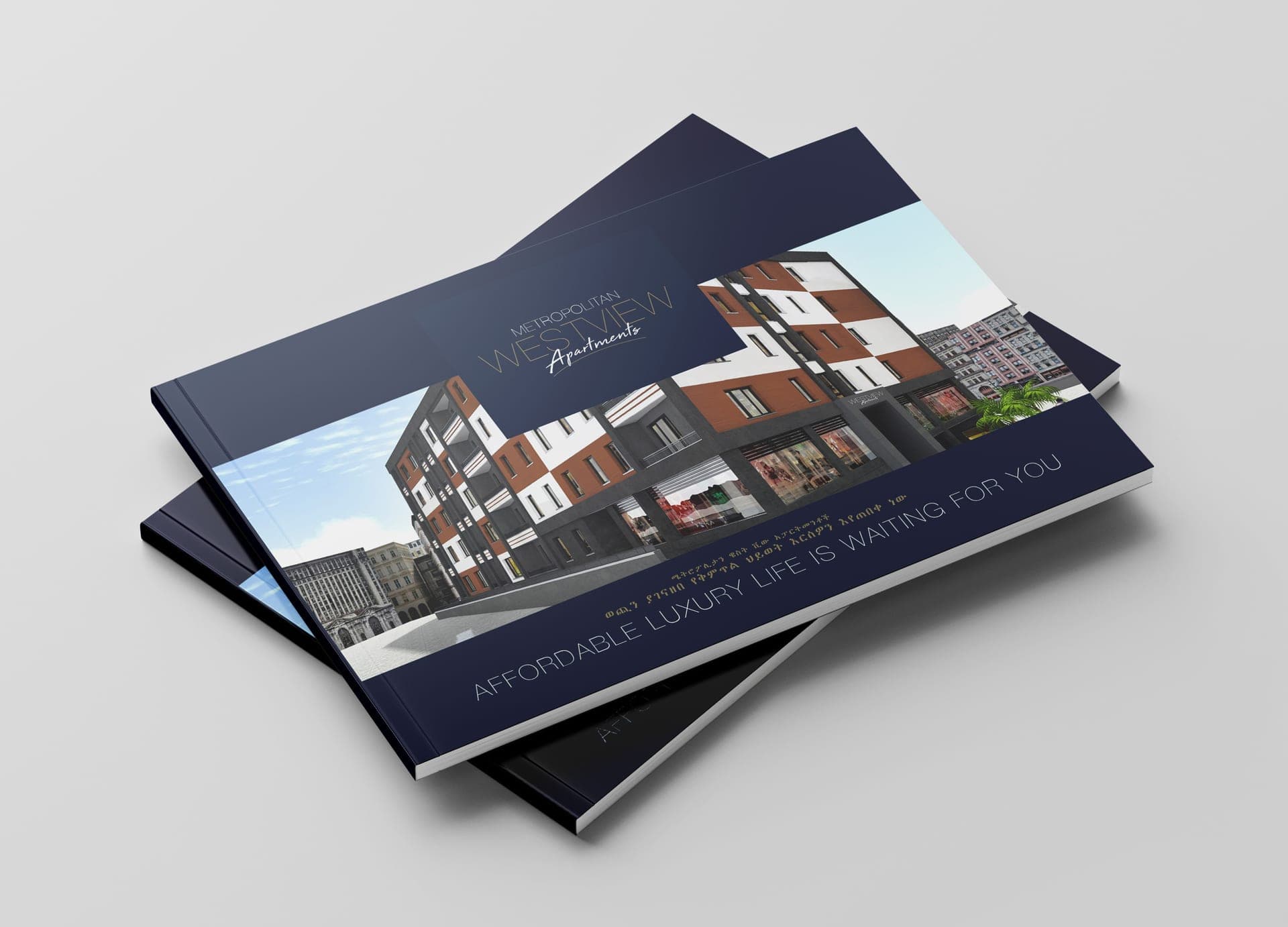
A catalog allows the comparison of many products, while a brochure allows a specific message to be conveyed in a short form. The interior page grid, tables, photo selection and content flow are as much a part of the design as the cover. There may be separate output requirements for the print version and the PDF to be read on screen. In my Catalog design service, we determine this scope together.
Packaging, box and label design
Packaging is a physical product as well as a visual surface. Cutting drawing, folding, material and printing technique influence design decisions. Brand and product information on the front; On the other sides, space is planned for explanations and mandatory content. The accuracy of label texts and regulatory approval are clarified with the relevant responsible persons of the brand. It is not a substitute for graphic design, structural engineering or compliance certification. You can look at the Packaging design examples.
Social media, advertising and motion graphics
Post, story, campaign banner and video tell the same message in different durations and sizes. Instead of cropping the main image alone, I organize the text amount and reading order according to the medium. In motion graphics, duration, transitions, and intelligibility without sound are also evaluated. Social media design and account management, advertising budget and media buying are separate responsibilities; We talk about which ones are included in the project from the beginning.
Website, e-commerce and mobile application interface
In web and mobile design, the way the user completes his task is important, as well as the visual layout. Product page, cart, form, error and empty status screens are considered together. UI addresses the visual and interactive interface, while UX addresses the broader usage experience. I design websites, e-commerce, mobile applications and SaaS interfaces. Software development, testing and release responsibilities should also be explained in the project proposal.
Fair, outdoor and environmental graphics
Fair stand graphics, roll-ups, banners, billboards and vehicle wraps have different viewing distances. A message to be read at a distance cannot be as detailed as a catalog paragraph. Measurement, joints and application surface are taken from the manufacturer. The boundaries of the design service and the construction of the stand or printing-assembly service are separated.
What is the difference between a graphic designer and a graphic designer?
These titles may overlap in daily use in Turkey. I don't make a distinction that applies to everyone, such as "a graphic designer only uses a program, a graphic designer thinks." In some teams, idea development and implementation are assigned to different people; In another project, the same expert takes on both responsibilities.
When choosing a designer, consider their work samples, actual role in the project, and delivery ability before the title. If you are going to have a catalog made, not only the cover but also the inner page sample; Ask for different states for the interface, not just the splash screen. Graphic writer–graphic designer comparison has been prepared for this evaluation.
How does a graphic design project proceed?
- Determining the need: What will be told and to whom; Where will the work be used?
- Content and source control: Are the logo, text, photo, product information and manufacturer template ready?
- Visual direction: Layout, typography, color and sample application are evaluated together.
- Feedback: Decisions are made by a single responsible person, specifying which problem will be solved.
- Adaptation: Approved direction applies to different pages, sizes or products.
- Delivery: Outputs suitable for the intended use are checked; source file scope is determined by the proposal.
Not every revision is a new design direction. Changing the target audience or campaign idea with text correction does not create the same workload. Talking about this distinction at the beginning makes both time and budget clear. You can find examples on the pages Graphic writer's daily workflow and design process.
Which program is used for graphic design?
Vehicle selection depends on the job to be delivered. Vector sign generation, photo editing, long-form typesetting, interface prototyping, and motion graphics require different tool capabilities. A single program does not provide the same efficiency in all jobs. Team compatibility, editable file requirement, and manufacturer-accepted output are also important in selection.
Learning to program is a part of production; It's not a substitute for understanding the brief or establishing good typography. While working with the ready template, content length, visual license and brand compatibility are checked. Consistency, typographical errors and conditions of use are also evaluated in the images coming from artificial intelligence. You can proceed according to the sample deliverables in the Selecting a design program according to the job guide.
How to learn graphic design; How to choose department and course?
Instead of starting with effects alone, start with small communication problems: create an event banner, a single product page or a simple identity application. Try the same content in different layouts; Ask someone else to tell you the main message. If the result is incomprehensible, change the order of the information before adding a new effect.
When researching graphic design education, look at the department's course plan, project examples, criticism and feedback method. Associate and undergraduate options have different durations; Admission requirements should be checked by institution and year. Courses can help develop a particular skill; Certificate alone is not a guarantee of professional competence or employment. My educational background is on the about me page. I am not selling education on behalf of the university or course here.
Graphic design education guide, practical equivalent of the courses and course selection checklist address different details depending on the learning need.
Real examples of my work
Pedaş: I carry out website, logo, corporate identity, catalogue, box and packaging, presentation, social media, digital marketing, exhibition stand and brochure works. Pedaş catalog project is an example that can be examined from the brand's printed communication.
Yatcim: I prepared the entire website. Yatcim project is an example to review my web design work.
Danone and ERP Software: I designed new interfaces in these projects. You can check out Danone interface work and my entire portfolio. These examples show the work I do; does not constitute claims about unshared sales, conversions or user testing results.
What should you share when receiving graphic design services?
Write the name of the job, the channel it will be used in, the required quantity or number of pages, the contents you have, and the target date. Requiring only design for the same catalog and requesting text, photo selection and multilingual adaptation are different scopes. When comparing quotes, see the source file, revision layout, output formats and external production costs in the same list.
You can describe your project on the Contact page. If you just want to learn the concepts, continue with graphic design dictionary; If you are looking for service, my page Freelance graphic designer in Istanbul explains the scope of work.
Frequently asked questions about graphic design
Is graphic design just making logos and posters?
No. Publishing, packaging, brand identity, advertising, information visualization and digital interfaces are also related to this area. Each one has different production and usage requirements.
Can you learn graphic design without drawing well?
Drawing can help develop ideas; But not all jobs require detailed illustrations. Knowledge of typography, layout, visual analysis and production are also important. Choose the skills you will develop based on your targeted expertise.
Are graphic design and UI/UX the same thing?
They have common visual principles. UI/UX projects also require evaluation of user flow, interaction, error states, and usage. A portfolio in one area does not automatically prove all skills in another area.
Is taking a graphic design course enough?
A course can be useful for beginners or for a specific skill. To assess competence, look at production, feedback, iteration, and explainable project decisions. Expertise cannot be achieved with a certificate of participation alone.
Does using ready-made templates or artificial intelligence replace design?
These can be tools to assist production. Message accuracy, brand fit, readability, rights and delivery quality should again be checked. Driving a vehicle does not remove responsibility for the design decision.
How many days does it take to complete graphic design?
Duration; It depends on the scope of work, content availability, number of adaptations and approval schedule. The same time is not given for a single business card and a multi-page catalogue. I will clarify the delivery date after seeing the files and scope.
Sources and further reading
To compare the training scope, you can look at the official pages of MSGSÜ Graphic Design Department, BİLGİ Graphic Design program and Institute Istanbul İSMEK graphic design trainings. The current announcement of the institution should be taken as basis for application requirements and training calendars. The project scopes on this page describe my work, and the exercise and evaluation suggestions describe my professional approach.
Subpages of the graphic design guide
- What is a Graphic Designer?
- Difference Between graphic designer
- What is a Graphic Designer and what does he do? Tasks
- Graphic Design Training
- Associate Degree and Bachelor's Degree in Graphic Design
- Graphic Design Lessons
- Graphic Design Programs
- What does a graphic designer do? From Brief to Delivery in One Business Day
- How to Choose a Graphic Design Course? Application and Portfolio Guide
- How to Become a Graphic Designer? Education, Portfolio and First Job
- Traits and Skills of a Good Graphic Designer
- Difference between Graphic Designer and Art Director: Creative Seniority
- Becoming a Freelance Graphic Designer: A Beginner's Guide
- Graphic Design Elements and Principles: Guide with Examples
- Graphic Designer Salaries 2026: How Do They Vary?
- Famous Graphic Designers: Names from the World and Turkey
- Communication and Graphic Design: Emre Becer Book Recommendation
- Misconceptions and Facts About Graphic Design
Artificial intelligence and design
- Can Applications Be Made with Artificial Intelligence? Facts in Mobile App
- Can Design Be Made with Artificial Intelligence? Limits in Logo and Graphic Design
- Can a website be made with artificial intelligence? SEO, Speed and KVKK Facts
- Can Advertising and Social Media Design Be Done with Artificial Intelligence?
- Is It Done with Artificial Intelligence? Digitalization Mistakes of Small Businesses
Preparation for the first meeting
Share your requirements and existing content so we can agree on the design scope, responsibilities and deliverables.
- The main message you want to convey
- The medium and dimensions in which the image will be used
- Existing brand files and contents