Graphic design guide
Scope of the guide
A graphic designer's job is not just to prepare visuals on the screen throughout the day. Understanding incoming demand, identifying content gaps, improving design direction, implementing feedback, and delivering the correct file are all parts of the same process. The following working day is an illustrative example; it is not a particular client's calendar or the fixed schedule that I follow each day.
First job: Define the “I need a banner” request
Imagine a business wants banners, social media posts, and email images for a new product announcement. Before the design begins, the product name, main message, publication date and where the images will be used are learned. Even if three deliveries belong to the same campaign, they do not have the same size and information density.
At this stage, the graphic designer does not accept the missing text as correct on its own. It asks who will approve product information and the right to use photos. If a printed banner is required, it obtains the manufacturer's measurement and output requirements. If the content is not ready, it is stated which section is temporary; This way, design approval does not interfere with approval of product information.
Design: message order first, detail later
On the first layout, it is made visible what the product is, who it is addressed to, and what the reader is expected to do. The size of the title, crop of the photo, and amount of space should support this order. Instead of enlarging every piece of information, the main message is separated from the supporting explanation.
If two alternatives are shown, the difference should not be just a change in color. For example, one order may prioritize the product and the other may prioritize the utility of use. Explain why the alternatives were prepared; The brand also decides on the communication target as well as taste. The designer prepares the evaluation visuals by considering the environment in which they will be used.
Communication and revisions during the day
If feedback comes piecemeal from different people, conflicting demands may occur. Having a single approval person collect comments makes things easier. Rather than “make it more noticeable,” talking about what information isn't visible enough provides a workable fix.
New price, changed date or different target audience is not the same type of revision. Content correction can be resolved with the current layout; If the direction of communication changes, a redesign may be required. Unlimited revisions should not be promised without discussing their impact on the scope of work. The file in which the changes were made is tracked by the version name.
Adaptation, control and delivery
Just making the approved poster smaller for social media may not be enough. On a narrow screen, the description can be shortened, the cropping of the image can be changed, and the call can be made more visible. Comprehension of the message in a small size is also evaluated in the e-mail visual.
Before delivery, date, contact information, file size and visual quality are checked. The print file is prepared according to the manufacturer's specifications, and the digital output is prepared according to the broadcast channel. The delivery of source files, fonts and terms of use of externally imported images are handled together with the scope of the contract. Instead of separate files named “Latest”, the approved version is clearly indicated.
How do agency, in-house and freelance work differ?
At an agency, a designer may work alongside a copywriter, account representative or art director. The in-house designer can focus more on continuity of the same brand. In freelance work, brief and approval communication can be carried out directly with the client. These are not rigid occupational boundaries; Team structure and responsibility sharing varies depending on the project.
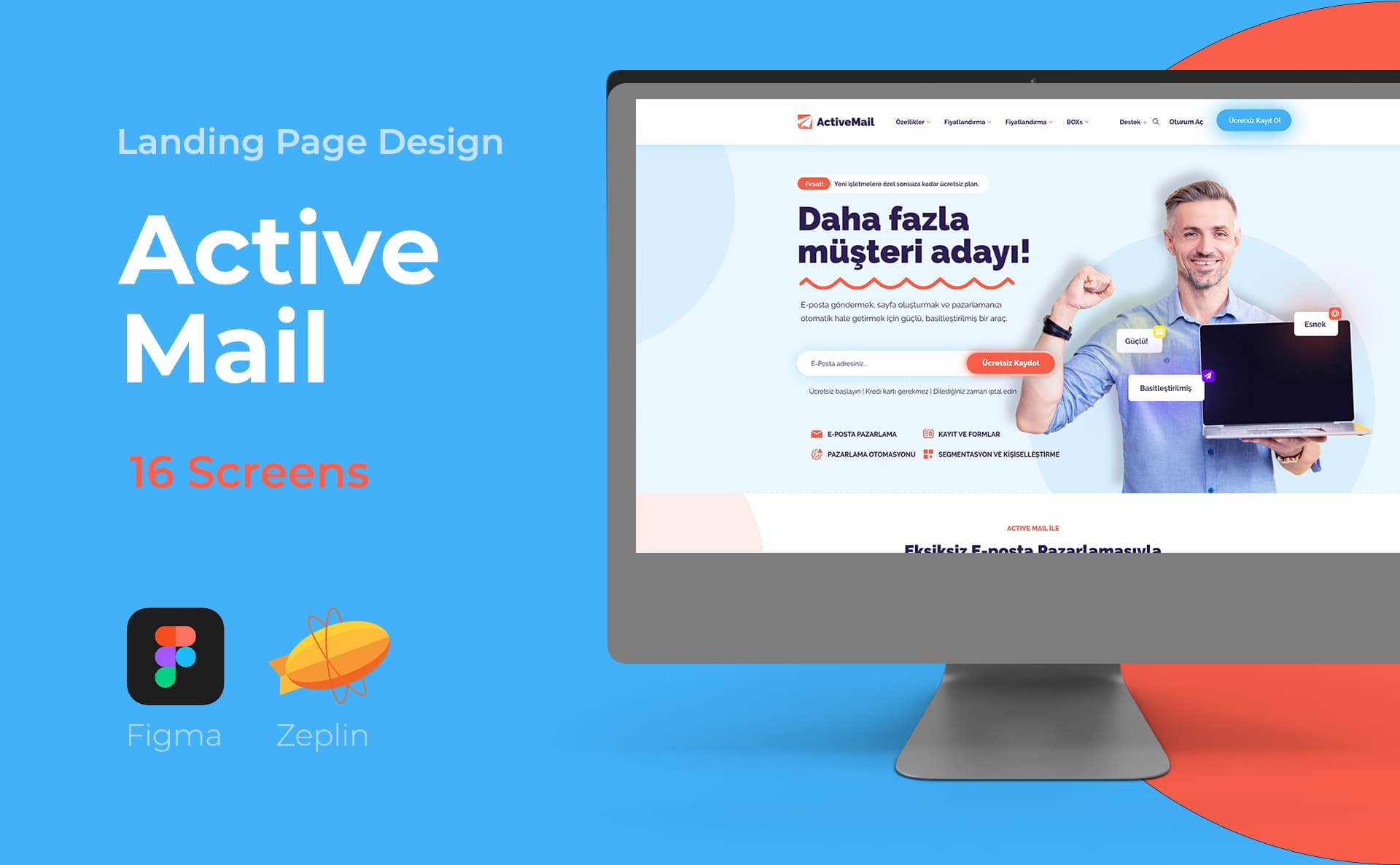
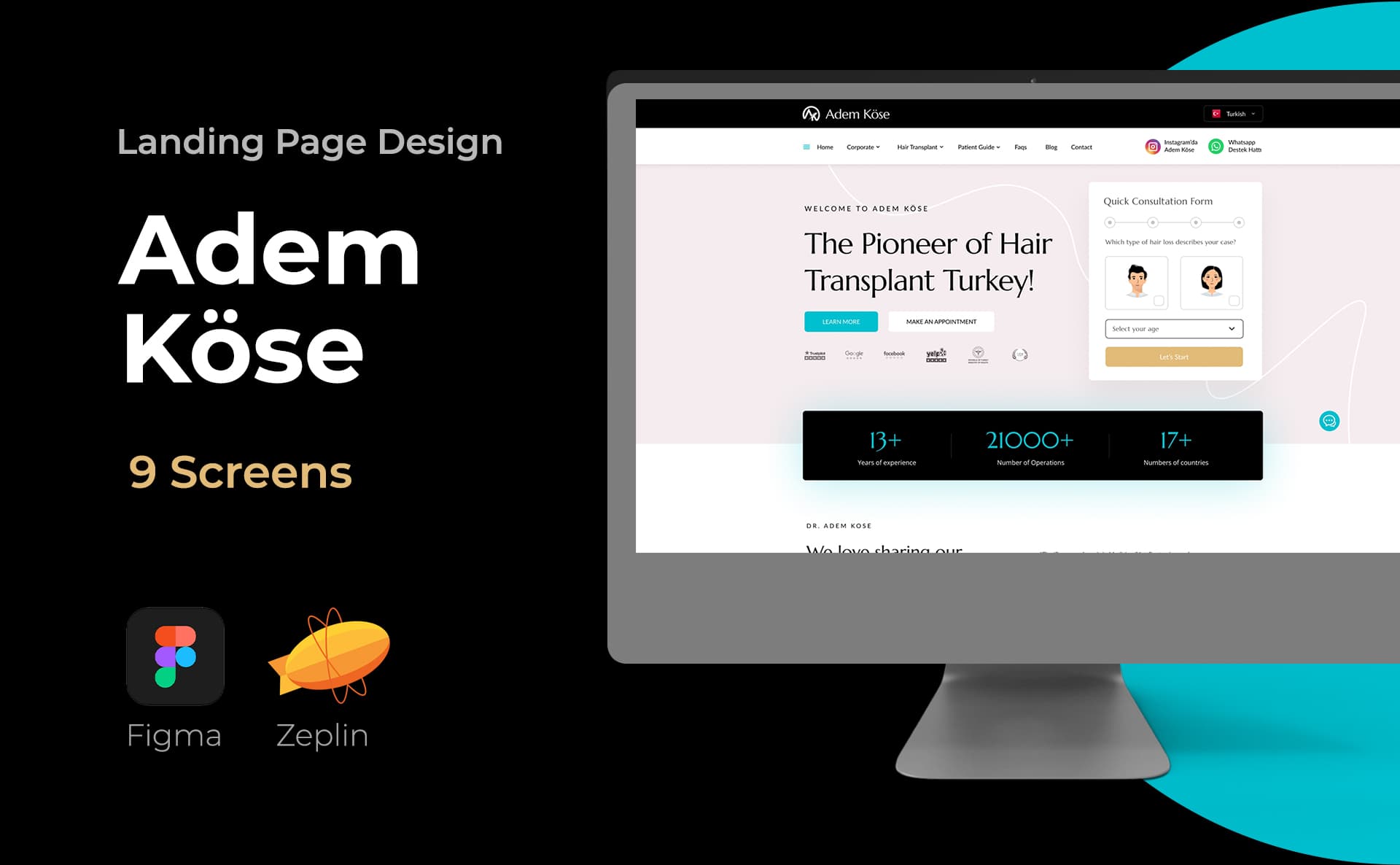
I carry out different print and digital design works for Pedaş. This scope requires that the catalog and social media announcement carry the same brand language. Yatcim website and Danone interface works are examples of different delivery types. You can examine the images of these works in my Portfolio; The example campaign in this article is not a real customer case.
Frequently asked questions
Does a graphic designer draw all day?
No. Content editing, typography, image selection, communication and file control are also part of the job. Illustration requirement varies by project.
Do a graphic designer and a graphic designer do different daily jobs?
Title alone does not determine job allocation. Responsibility for idea development, implementation and delivery should be seen in the job description. Title comparison guide explains this distinction.
Does finishing the design mean the project is over?
Adaptations and technical deliverables may remain after visual approval. If printing, software or publishing managers are different, their control and delivery schedule should also be taken into account.
You can review graphic design guide for the general framework, and scope of work for your own work.
Do you have a design project?
This guide provides information about education and profession. You can share your existing content and delivery expectations for your design project.
- Communication purpose of the project
- Mediums to be used
- Needed deliveries