Graphic design guide
Scope of the guide
Short answer: Becoming a freelance graphic designer requires a strong portfolio, several reliable client sources, a work routine that sets the scope and revision limits in writing, a formal infrastructure for invoicing, and a financial plan to manage irregular income.
I have been working as an independent graphic designer for years. During this period, I carried out different works from corporate identity to catalog and packaging, from website to interface design. I experienced the freedom, loneliness, and days of waiting for payment as a freelancer. In this guide, I want to present a realistic picture, not a dream, to designers who are considering switching to freelance. What I write is based on my own experience and observations; I recommend that you consult an expert on legal and financial matters.
Who is freelancing suitable for?
Freelancing means adding a few more jobs besides design: sales, customer relations, pricing, contracting, collections, accounting, and managing your own calendar. Someone who is very good at design but does not like this work at all may have difficulty working as a freelancer.
Ask yourself these questions:
- Can I deliver a job from start to finish without anyone checking it?
- Do I trust that I will not make mistakes when preparing files for printing or publication?
- Am I not shy about discussing price and scope with the customer?
- Do I have enough savings to survive on a low income for a few months?
- Can I work regularly without anyone forcing me?
If you can't answer "yes" to most of these questions, it may be less risky to work in a team first or try freelance as a side job. If you are just starting out in the profession, the how to become a graphic designer guide may be a more appropriate starting point.
Advantages and disadvantages of freelancing
| Advantage | Disadvantage |
|---|---|
| You can choose the jobs and clients you will work with | Income is irregular; Some months are busy, some are quiet |
| You determine your own working hours and location | You are responsible for insurance, taxes and accounting |
| The profits go directly to you, there are no middlemen | You spend time finding work, preparing offers, and collecting |
| You gain fast experience with jobs from different sectors | Your opportunity to get feedback from your teammate decreases |
| You can establish your own working method | The boundaries between work and private life are easily blurred |
| You can make a name for yourself in the field you specialize in | Illness or vacation can mean direct loss of income |
This table should not be read as "advantages outweigh disadvantages". Each item carries different weight from person to person. Freedom of choice of job was important to me; For someone else, the stability provided by a regular salary may be more decisive.
Official infrastructure: company, invoice and tax
If you want to work with corporate clients, you need to be able to issue invoices or receipts. I can draw a general framework on this issue, but be sure to make the decision appropriate to your situation with a financial advisor. Legislation and practices may change.
- Liability: In Turkey, freelance designers generally register with the tax office and operate as sole proprietorships. How the activity is classified can affect the type of document you issue (invoice or freelance receipt).
- Electronic document: Document editing is done through electronic systems in most cases. Clarify with your financial advisor which system you should be included in.
- Social security: When you start working for yourself, your insurance status may change. Add premium obligations to your budget from the beginning.
- Support and exceptions: There may be some tax exemptions or entrepreneur supports depending on age and conditions. Ask an expert if you can benefit from these.
- Foreign customers: Documentation and tax application may be different for services provided abroad. Get information before accepting such jobs.
I have a practical suggestion: Transfer some of your earnings to a separate account for taxes and premiums every time a payment arrives. This is the simplest way to avoid surprises at the end of the year or during the declaration period.
Where do the first customers come from?
Environment and former business relations
A significant portion of first jobs often come from familiar circles: former colleagues, agencies you have worked with before, school friends, businesses in the circle of family and friends. Clearly announcing to this circle that you are going freelance may open more doors than expected.
Portfolio and personal website
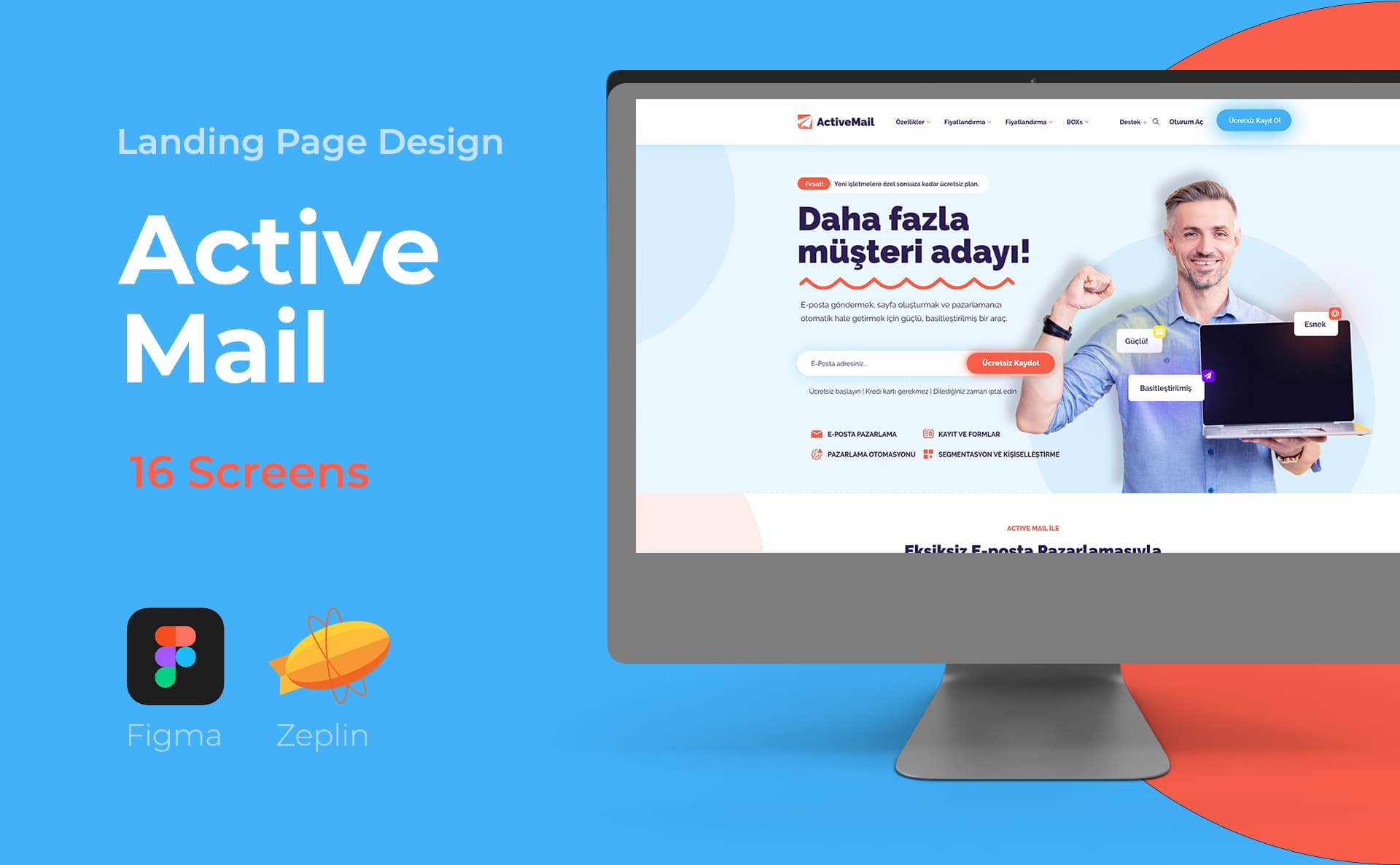
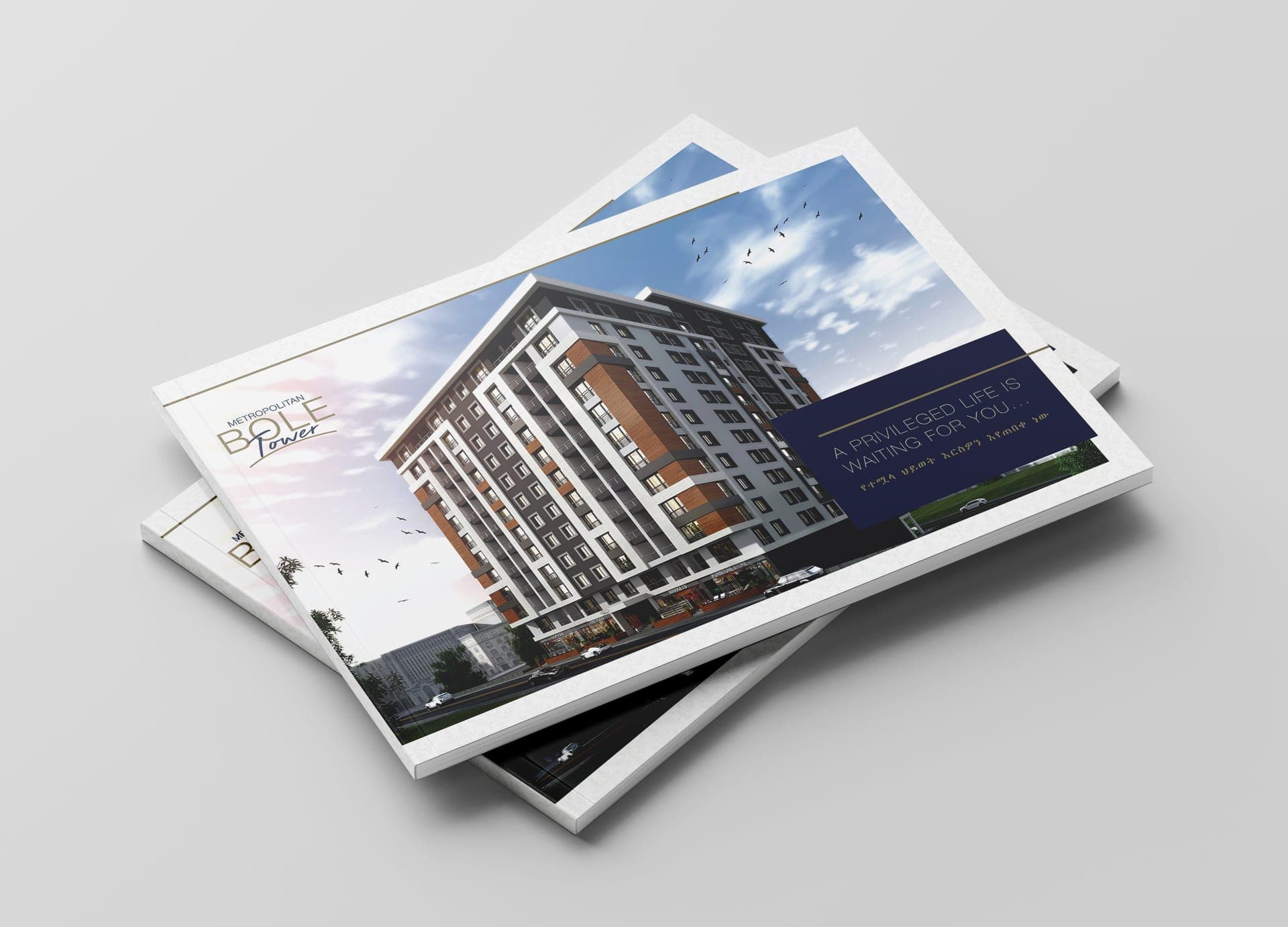
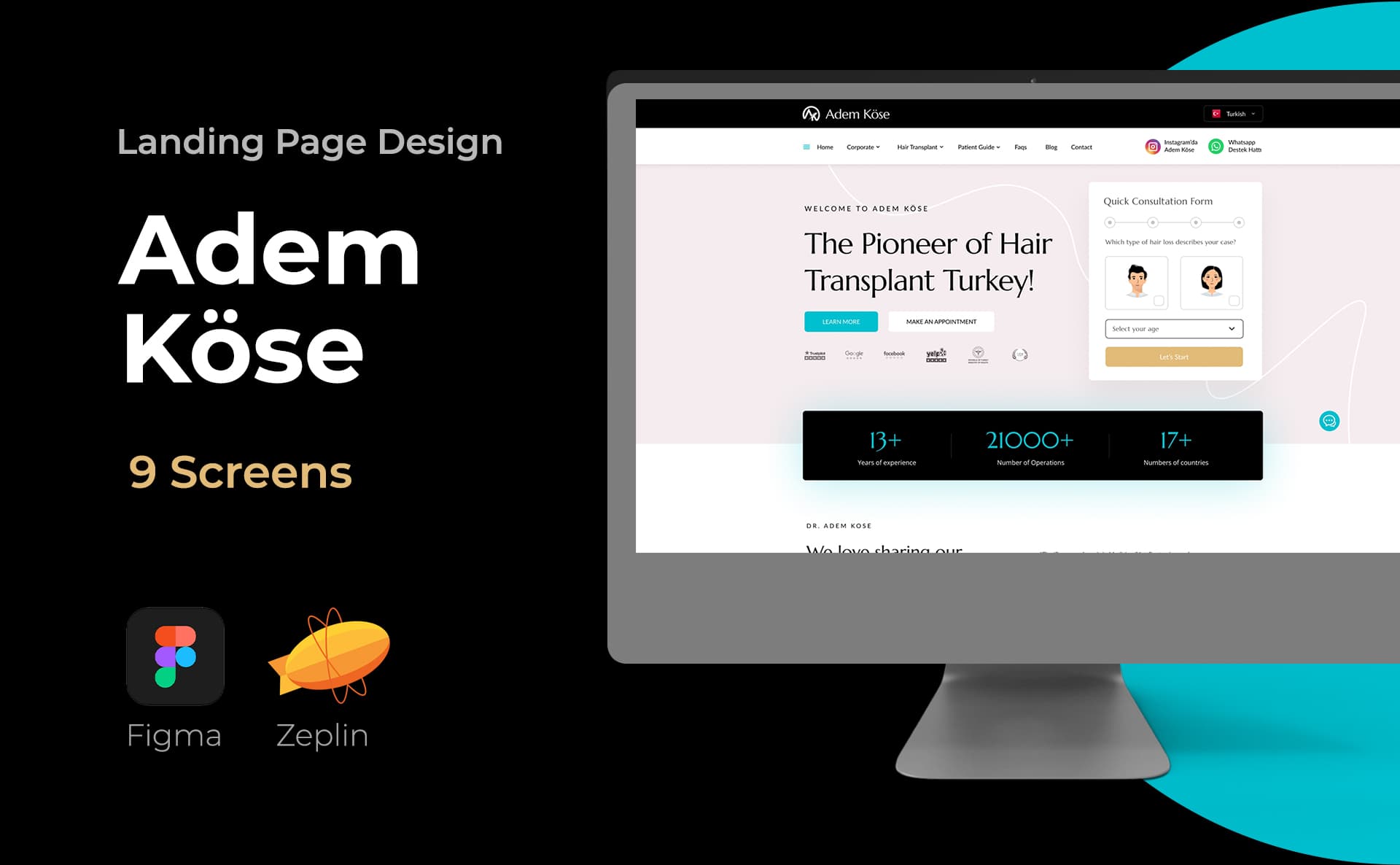
A portfolio site running on your own domain is the first place a customer looks when searching for you. Include not only images on the site, but also explain what you did and what problem you solved in each project. In my portfolio, as in projects such as Pedaş, Yatcim and Danone, writing the scope clearly means that the customer asks "can this person do my job?" It makes it easier to find answers to your questions.
Freelance platforms
Bionluk, Upwork and similar platforms are an option for finding first customers. Competition is intense and prices are sometimes driven very low. Therefore, it is necessary to set up your profile on the platform like a portfolio and write the scope clearly in the first offers. I explained this issue in detail in the article Profile and first offer on freelance platforms.
Expertise and advice
Over time, customers' most valuable resource becomes recommendations. A satisfied customer will recommend you to someone with a similar need. Specializing in a particular field, such as catalog or packaging design, strengthens this chain of recommendations. It is more difficult to recommend a designer who is a jack of all trades to everyone than it is to recommend someone who is said to be "very good at packaging work".
Pricing: method, not numbers
The most difficult issue for freelance designers is determining prices. I will not give a price list here; because the right price varies depending on your experience, scope of work, use and market. But I can explain the methods you can use when determining the price.
Hour or day based calculation
Know your own costs first: your living expenses, software subscriptions, hardware, taxes and premiums, accounting fee. Divide this total by the number of hours you can actually bill in a month. Remember that an entire month is not billable work; Preparing a proposal, corresponding with the client, and improving yourself also take time. This calculation gives you a basis.
Project based price
Most customers want to see the project price, not the hour. The project price is based on the estimated duration of the job multiplied by your base rate; then the complexity of the work, revision risk and lead time are added. If you subtract the estimated time from the actual time of your past work, the calculation will be more accurate.
Use and value
The same logo has different value for a small local business and a brand that sells nationally. Area of use, duration and scale may affect the price. Talking about this openly creates a fair basis for both parties.
Monthly support model
Agreeing on a monthly framework with clients with regular design needs makes your revenue more predictable. In this model, the scope and the time to be allocated within the month must be clearly written. I explain this way of working on my monthly graphic design support page. For details of preparing a proposal, you can refer to graphic design prices and proposal guide.
Brief, contract, revision limit and payment
Most of the disagreements in freelance work arise from issues that were not discussed at the beginning of the job. That's why I recommend establishing a written framework in every project. It doesn't have to be a long contract; but it must contain the following items:
- Scope: Which works to be done and which are not included.
- Files to be delivered: Source files, print files, digital formats.
- Revision limit: How many rounds of revisions are included in the price and how additional revisions will be charged.
- Calendar: Interim deliveries, expected response times from the customer and deadline.
- Payment plan: Amount and time of prepayment, interim payment and final payment.
- Use rights: Where and for how long the design will be used, when the rights will be transferred.
- Cancellation status: How the work will be charged if the project is left unfinished.
Being clear about the revision boundary often doesn't put off the customer; On the contrary, it provides a professional framework. Although the promise of “unlimited revision” may seem attractive in the short term, it usually tires both parties. It would also be useful to get legal support for contract texts.
Reduce payment risk
Payment delays are one of the most frustrating aspects of freelancing. It is not possible to completely eliminate this risk, but it is possible to reduce it.
- Get a down payment. A down payment received before work begins demonstrates the commitment of both parties to the project.
- Break down large jobs into phases. Scheduling a payment at the end of each phase spreads the risk.
- Deliver source files after payment. Send low resolution or watermarked preview for approval.
- Keep records of correspondence. Keep approvals and change requests in e-mail or text message.
- Make the reminder polite but clear. Send a dated and polite reminder for overdue payments.
Time management and loneliness
A manager in the office keeps track of your calendar; In freelancing, this is your job. When I plan my week, I allocate uninterrupted blocks of time for design. Answering e-mails and messages at certain times during the day is more productive than constantly being interrupted. It's also important to know how many projects you can realistically handle at once; Accepting every job that comes your way will eventually ruin both the quality and the schedule.
Loneliness is also an issue that needs to be talked about. The feedback and conversation you receive without realizing it within the team does not come naturally in freelance work. Meeting regularly with other designers, trying co-working spaces, or joining a professional community can fill this gap.
Summary: checklist before going freelance
- I can deliver a job from start to finish without anyone checking it.
- I have a portfolio that reflects my target area and whose scope is clearly written.
- I have a savings or side income plan for the first few months.
- I met with the financial advisor and set up my infrastructure for issuing invoices or receipts.
- I calculated my base wage from my own costs.
- I have a written framework that includes scope, revision, payment and usage rights.
- I am ready to implement the prepayment and phased payment scheme.
- I determined my weekly working schedule and contact hours.
If you want to see my freelance work style from the client's perspective, you can check out my freelance graphic designer page, or if you want to talk about a project, you can check out the contact page.
Frequently asked questions
How many years of experience are required before switching to freelance?
There is no exact duration. The important thing is to be able to deliver a job from start to finish without anyone checking it and to manage the process with the customer. Learning this by working in a team for several years reduces the risk, but it is not the only way.
Is it possible to work freelance without establishing a company?
Most corporate clients require invoices or receipts, so regular business requires tax liability. Different situations may apply for occasional work. I recommend that you clarify with a financial advisor which path is suitable for you.
How to find the first customer?
First clients often come from familiar circles, old business relationships and freelance platforms. Clearly announcing that you are a freelancer and having a portfolio online will speed up this process. Over time, recommendations from satisfied customers can become your most powerful resource.
Will asking for upfront payment turn off the customer?
Most professional clients take the down payment for granted. Upfront payment shows both parties' commitment to the project and makes them feel like the job is being taken seriously. It is necessary to carefully evaluate the risks of working with a customer who is absolutely unwilling to pay in advance.
Which is better, platforms or direct customer?
Platforms can initially provide visibility and streamline the payment process, but earnings may decrease due to competition and commission. Direct customers enable longer-term relationships. Many designers use both together, increasing their direct client ratio over time.
What should be done to a customer who delays payment?
Send a polite and dated reminder first, then remind them of the payment terms in the contract if the delay continues. Not delivering the source files before payment is completed will strengthen your hand in this case. It may be necessary to seek legal support in case of long and high delays.
How to manage freelance income irregularity?
Creating a backup budget to cover several months' worth of expenses is the first step. Monthly support agreements and regular customers make revenue more predictable. Allocating a portion of each payment for taxes and premiums also prevents surprises.
How many revision rights should a freelance designer give?
There is no single number that works for everyone; The important thing is to determine the number in writing at the beginning of the job. Also clarify what revision rounds cover and how out-of-scope requests will be charged. This way, both you and the client know what to expect.
Do you have a design project?
This guide provides information about education and profession. You can share your existing content and delivery expectations for your design project.
- Communication purpose of the project
- Mediums to be used
- Needed deliveries