Based in Istanbul, 19 years of experience in branding, print and digital design
Based in Istanbul, 19 years of experience in branding, print and digital design
Brand and corporate identity
I transform logo, color and typography decisions into a system that can be used in business cards, presentations and corporate documents.
Packaging and publication
I organize product information on boxes, labels, catalogs and brochures, and prepare files in accordance with the manufacturer's dimensions.
Digital communication and interface
In addition to social media and campaign visuals, I design web, e-commerce and mobile application interfaces.
Graphic designer is an expert who transforms what a brand wants to say into truly usable designs such as logos, catalogs, packaging, social media images or digital interfaces with typography, color, visual and layout decisions.
I'm Selçuk Aker. I graduated from Marmara University, Faculty of Fine Arts, Department of Graphic Design, and I have been working directly with brands for 19 years, first in advertising agencies and today independently. During this period, I delivered over 500 projects. I prepared this page for businesses that are considering working with a graphic designer: I explain in clear language what jobs I undertake, how I work, how fees are set and how we progress remotely from Istanbul. If you are curious about the general definition and task list of the profession, you can take a look at the What does a graphic designer do guide.
What work do I do as a graphic designer?
My work falls into three main areas: brand identity, print communications and digital interface. These areas are not isolated from each other. A brand's catalogue, box, social media post and website should bear the same identity. That's why, even when designing a single work, I take into account where else that design will be used.
Logo and corporate identity
A logo is just the beginning of an identity system. In addition to the sign, I determine the color palette, fonts, spacing rules and usage on different backgrounds. I show at the presentation stage how the sign looks on a small scale, in one color and on a dark background; Because the real test of a logo is given on the business card, invoice and product label. For details, see logo design and brand design.
Catalog, brochure and corporate presentation
Translating dense product information into a readable page system is the fundamental task of publication design. I create reusable templates for product groups, technical tables, price fields and images. Thus, the file is not rebuilt from scratch in the second printing or when a new product is added. I also explained the scope of these works on the catalog design and corporate presentation design pages.
Packaging and label
Packaging design starts with the manufacturer's technical drawing. Folding locations, gluing allowances, barcode area, mandatory information and product types directly affect design decisions. I create an order on the shelf that allows the product name and type to be distinguished at first glance. For coverage, see packaging design and label design.
Social media and campaign images
After preparing the main visual of a campaign, I rearrange the information order when moving it to different sizes. Vertical story format, square post and horizontal banner convey the same message under different reading conditions. The templates I prepared for brands that produce regular content prevent each post from appearing to belong to another brand. Details on social media design page.
Website, e-commerce and mobile interface
I design website, e-commerce and mobile application interfaces by combining my graphic design background with user experience. Besides the screens, I also draw details such as empty states, error messages, loading and different screen widths. Coding and software development is a separate specialization; We define these tasks separately from design delivery. The UI/UX design service page contains the scope of my interface work.
My education and professional background
I received my graphic design education at Marmara University Faculty of Fine Arts. The typography, composition and visual thinking habits I acquired at school remain at the core of my work today. After graduation, I worked in advertising and design agencies; I carried out the design production together with the art direction. Keeping the implementation of a campaign consistent in different media and working towards the same goal with the copywriter, photographer and software team are the habits I have acquired during these years.
Today I work independently. This means speaking directly to the person who designed your work: the same person who listened to the brief, made the design decision, and prepared the file. Agency experience gave me the habit of foreseeing where a big job might go wrong. For more information about me, you can check out About Selçuk Aker.
What distinguishes a professional graphic designer?
Many people can learn to use design programs today; Artificial intelligence tools can also produce images in a short time. What distinguishes a professional graphic designer is not software knowledge but the reasoning behind each decision and files that hold up in real use. In my own work, I see this difference emerging most at four points:
- First understand the problem. Sometimes the real need of a business that says “We want a logo” is to tidy up an identity that has been used inconsistently. A good first meeting clarifies what the design will solve.
- Establishing a hierarchy. Deciding what the reader will see first and what will see next is the essence of design. Making everything big and colorful means nothing stands out.
- Knowing production. Bleed, color profile, cut size, screen resolution and file size seem like technical details. If these are wrong, the best idea will be spoiled in print or publication.
- File discipline. A source file with layers in order, fonts and images listed, and named versions makes it easier to update months later and prevents the wrong version from going to press.
You can refer to the article Characteristics of a good graphic designer, where I discuss these competencies in more detail, and graphic design guide for the basic principles of design.
Three examples from real projects
I clearly write my role in every job in my portfolio. The three examples below show how I approach different types of graphic design work. In these projects, I do not share measured data about the customer's sales or conversion results; I am only describing the design work I have undertaken.
Pedaş: many surfaces of one brand
Pedaş catalog work is part of my comprehensive collaboration with the brand. In addition to catalogs and brochures, I design the website, logo and corporate identity, box and packaging, presentation, social media and exhibition stand for Pedaş. The thing I pay most attention to when working on so many different surfaces is the common language: the colors and typography seen on the exhibition stand should also be recognizable on the inner page of the catalog and on the side of the box. The layout and reusable page templates that separate the product groups in the catalog ensure that the same system is maintained in subsequent editions.
Yatcim: taking over the website in its entirety
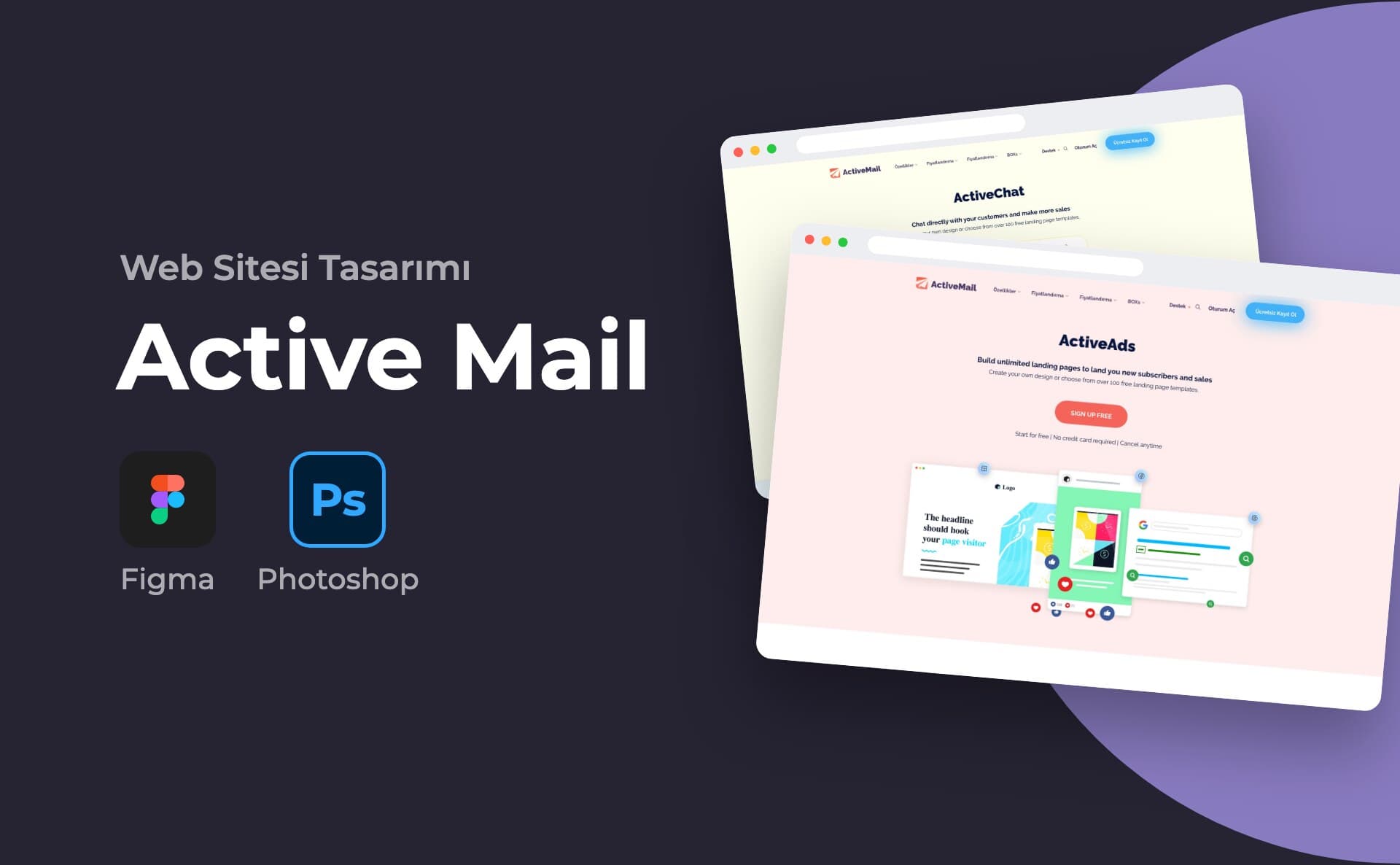
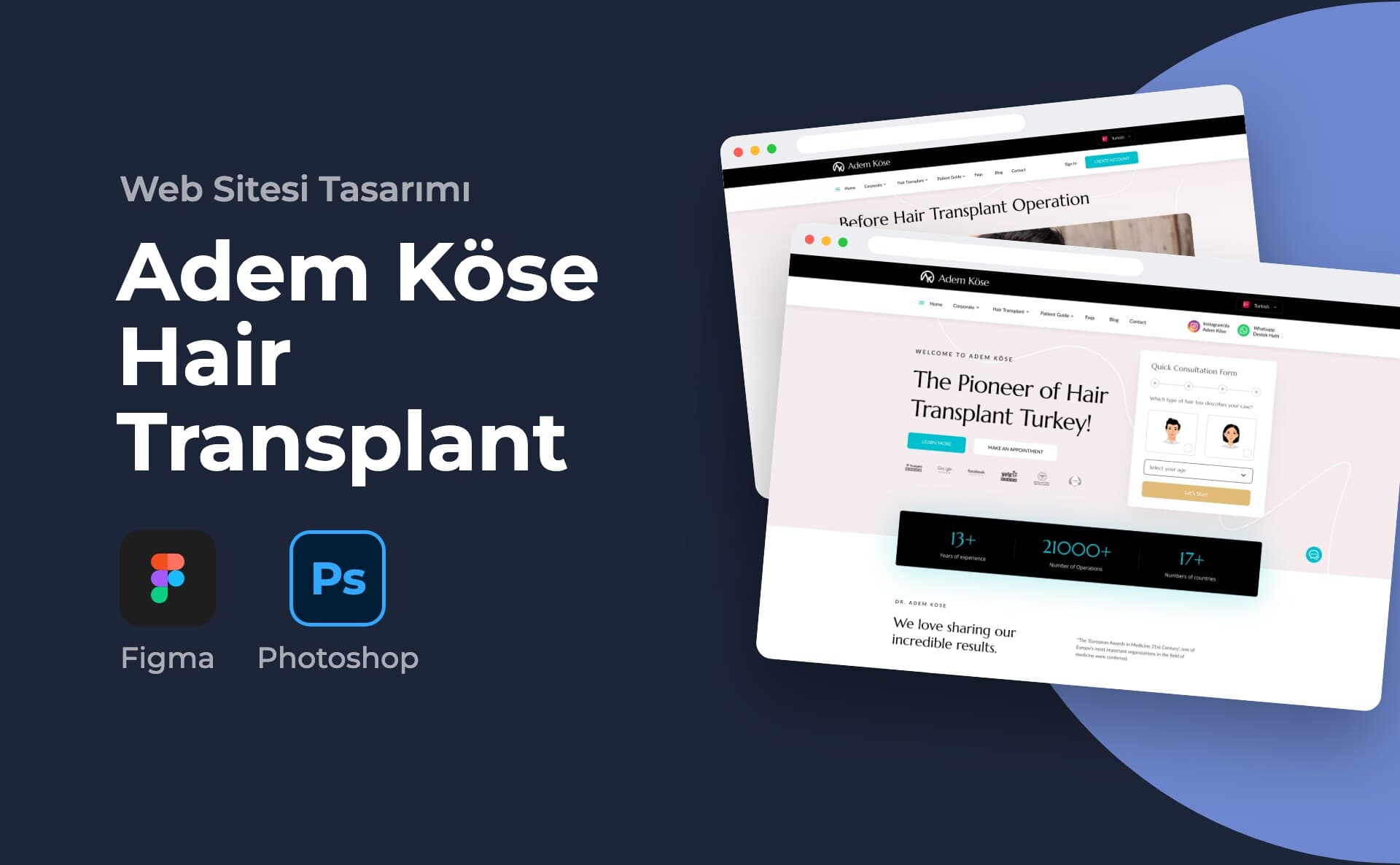
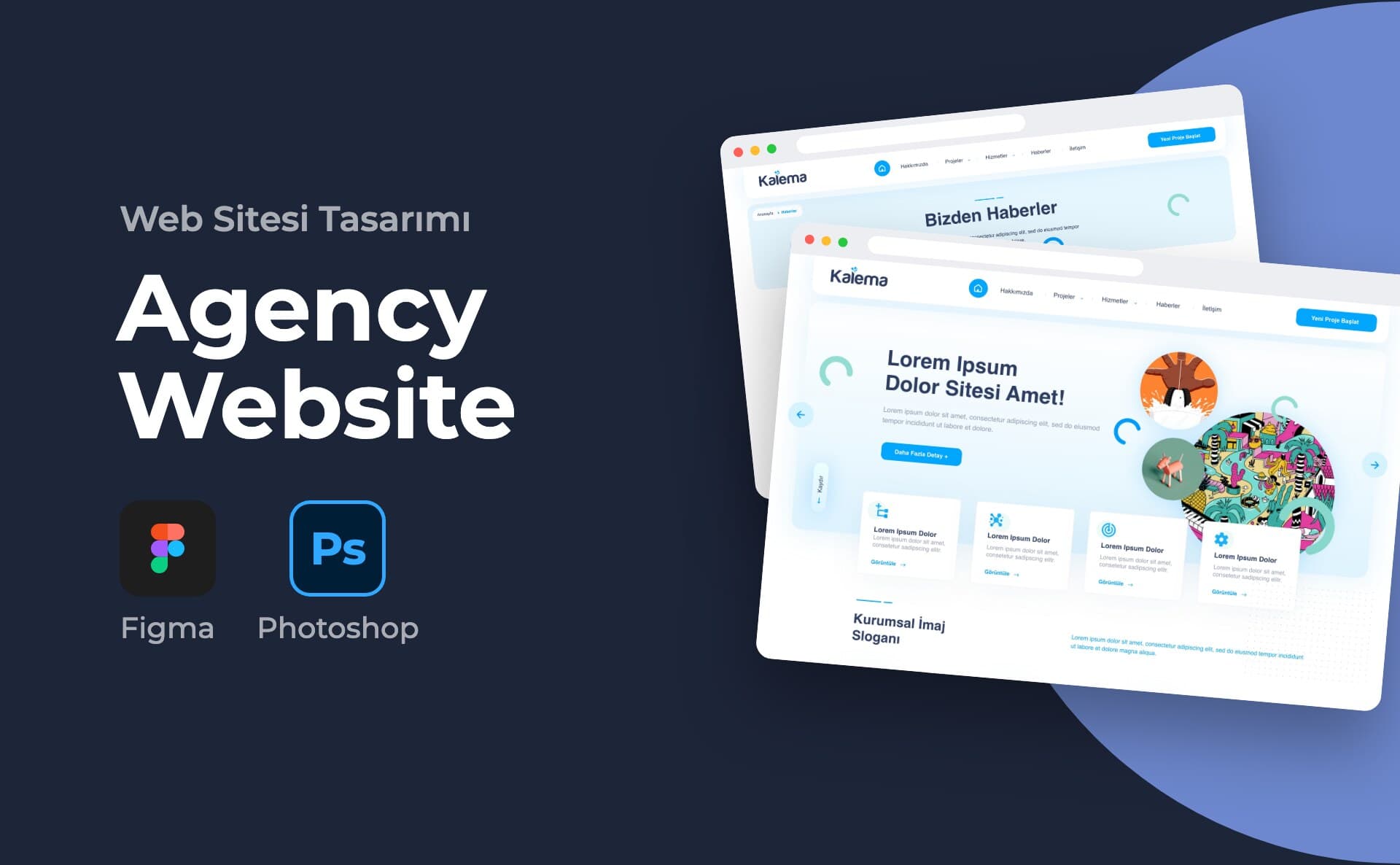
I prepared the entire website for the Yatcim project. My responsibility was not limited to a single page or image; I took over the site as a whole. On a project like this, graphic design knowledge helps make the interface compatible with the brand and readable, while the user experience perspective makes it easier for the visitor to find what they are looking for.
Danone: design of new interfaces
I designed the new interfaces in the Danone project. My responsibility for this project was the design work; I don't present software development as my own job. In an enterprise-scale interface, it is important that the screens are based on a consistent component layout and that the design can be read correctly by the team that will implement it. This work is one of the examples that show that graphic design is not limited to printing only.
You can examine other works by category in portfolio.
How do we work together?
While every project is different, my work routine largely follows the same steps:
- Preliminary meeting: We discuss your needs, your target audience and where the design will be used. This meeting can take place online or by phone.
- Brief and scope: I translate what we talked about into a written brief. The deliverables, number of adaptations, available content and the designated approver are included in this document.
- Proposal and schedule: I prepare a proposal including the fee and interim delivery dates according to the scope. The calendar is planned with your content and approval dates.
- Visual direction: I first offer direction through a main application; for example, a catalogue spread or the front of the pack. I explain the rationale for the decision along with the need for use.
- Development and evaluation: The approved direction is carried over to other pages, dimensions and adaptations. Collecting feedback in a single list prevents corrections from being lost.
- Preparation for production and delivery: Size, bleed and color settings for printing; Size and format are checked for the screen. The agreed print, digital and source files are delivered.
- After delivery: We can continue to work on the same files when a new product, price update or additional adaptation is required.
If you'd like to see the stages in more detail, you can look at the graphic design process page.
Which files will you receive?
- Vector versions and usage outputs agreed upon in the logo study.
- Print file approved in catalog or brochure and separate version for display if desired.
- Surfaces and approval previews prepared according to the manufacturer's technical drawing in the packaging.
- Descriptions of screens, components and interactions agreed upon in the interface.
The scope of the editable source file, linked images and licenses are described in the proposal; The low-resolution preview alone does not deliver enough for every use. Copywriting, photography and translation are not automatic parts of every design proposal. The brand confirms the accuracy of price, product features, certification and required declarations; I take responsibility for the visual organization and readability of this information. The requirements regarding the material and color result in printing are carried out by the printing house, and in the web project, the application is carried out by the developer.
How do I present design decisions?
Showing a design only with a glossy presentation image makes it difficult to evaluate it. That is why I present proposals in context: the logo on a business card, an app icon and a sign; a catalogue page with real product copy; the packaging on the manufacturer’s template. This way, the decision is made based on the conditions in which the work will be used, not on a stand-alone image on the screen.
With each suggestion, I share a brief rationale: which information I highlight and why, which need the color and font choice corresponds to, which constraint determines a decision. When giving feedback, sharing an observation such as "our customer cannot see the price at first glance" instead of "I don't like it" will make it easier for us to find the right fix. Presenting many directions does not always lead to a better result; in most projects, one or two well-reasoned directions make decisions easier.
Remote graphic design service from Istanbul
I am based in Istanbul. We can meet face to face with brands in Istanbul when necessary; However, the majority of projects proceed with online meetings, screen sharing and written feedback. The same setup works for businesses outside Istanbul.
A few rules are important for the healthy progress of remote work: collecting feedback in a single person responsible, naming file versions, recording decisions in writing and planning meetings in advance. If printed sample control or on-site application is required, we discuss this at the beginning and add it to the calendar. I do not have offices in other cities; I do not create the impression that there is a physical address in every province.
We also determine the file and approval flow from the beginning. In the shared folder, I name each version with the date and a short description, and keep the approved file separate from the working files. If it is necessary to correspond directly with the printing house or packaging manufacturer, I will do so with your knowledge and within the scope we have agreed upon.
Visibility changes design in store, fair and field applications. The on-board text message cannot use the same layout as the detailed product description in the catalogue; Using capital letters outdoors alone does not ensure readability; contrast, spacing and placement are also important. The message on the fair wall is positioned according to visitor flow; I learn the combinations and cutting areas of the printing surface before starting the design.
You can find the face-to-face meeting and on-site evaluation schedule with brands in Istanbul on the Face-to-face design collaboration in Istanbul page, and the provincial remote working schedule on the freelancing directory of 81 provinces.
If you say "I'm looking for a graphic designer", what should you include in your first message?
Your first message doesn't have to be long. The following information allows me to give you a quick and realistic answer:
- What will be designed: logo, catalogue, packaging, social media, web interface or more
- Where will the design be used: print, shelf, display or trade show floor
- What you already have: logo files, texts, photos, product information, technical templates
- Approximate quantity and dimensions: number of pages, product type, number of adaptations
- Target date and person who will give final approval
- Examples you like or definitely don't want
It's okay if not all of this information is readily available; We complete the missing parts together at the first meeting. If you are comparing more than one designer, you can use the list of questions in guide to choosing the right graphic designer.
How is the graphic design fee determined?
I do not publish a fixed price list, because two jobs with the same name often do not describe the same scope. For example, “catalog design” can be a product brochure of a few pages or a bilingual publication containing hundreds of products. The main factors that determine the fee are:
- Number of original designs and how many sizes or products they will be adapted to
- Whether the contents are ready or not; whether text, photos or translation are required
- Number and scope of evaluation rounds
- Print, digital and editable source file deliveries
- Calendar, especially tasks that need to be delivered in a short time
- Fonts or images that require usage rights and licenses
In my proposal, I write these items one by one; so you can compare with other offers on the same scope. I explained the details that affect the price according to the types of work in the graphic design prices guide.
Project based or regular support?
Project-based work is suitable for works with a clear beginning and end, such as a new logo, a catalog or a packaging series. For brands that produce new campaigns, product images or social media content every month, monthly graphic design support provides a more regular planning. If you have your own marketing or software team, I can work with this team by sharing the tasks from the beginning.
If we are going to work together for the first time, starting with a small job would be a good trial for both parties; for example, revamping an existing brochure or social media adaptations of a campaign. In this first job, we establish our communication pattern, feedback habits and file delivery format together.
If you are weighing whether to work with an independent designer or an agency, I have also explained the direct work model on the freelance graphic designer page.
Let's talk about your project
You can share your needs and existing files from contact page or offer form. In the first evaluation, we determine together which deliverables are required, what content is needed from you, and a realistic schedule. If you want to look at the examples first, you can find the projects by category on the my works page.
Frequently asked questions about graphic designer
Will I meet you directly?
Yes. You discuss the project scope and design decisions directly with me, Selçuk Aker. If there is work that requires additional expertise, such as photography, copywriting or software, we determine at the beginning who will undertake it.
If I am outside Istanbul, can we work together?
Yes. Most of the projects are carried out with online meetings and written feedback. If a printed sample or on-site control is required, we plan how this will be done at the beginning of the job.
Can you design just a catalog or packaging for our existing brand?
Yes. You don't need to have a new logo made. I will examine your existing brand files and usage rules and prepare new material suitable for your identity.
How is the graphic design fee determined?
The fee depends on the type of work, the number of original designs and adaptations, whether the contents are ready, delivery files and schedule. After clarifying the scope, I prepare a proposal in which I write the items separately.
Preparation for the first meeting
Share your requirements and existing content so we can agree on the design scope, responsibilities and deliverables.
- Current status of your brand and project goal
- Need for logo, packaging, catalog or digital design
- Usage areas, contents and delivery expectations