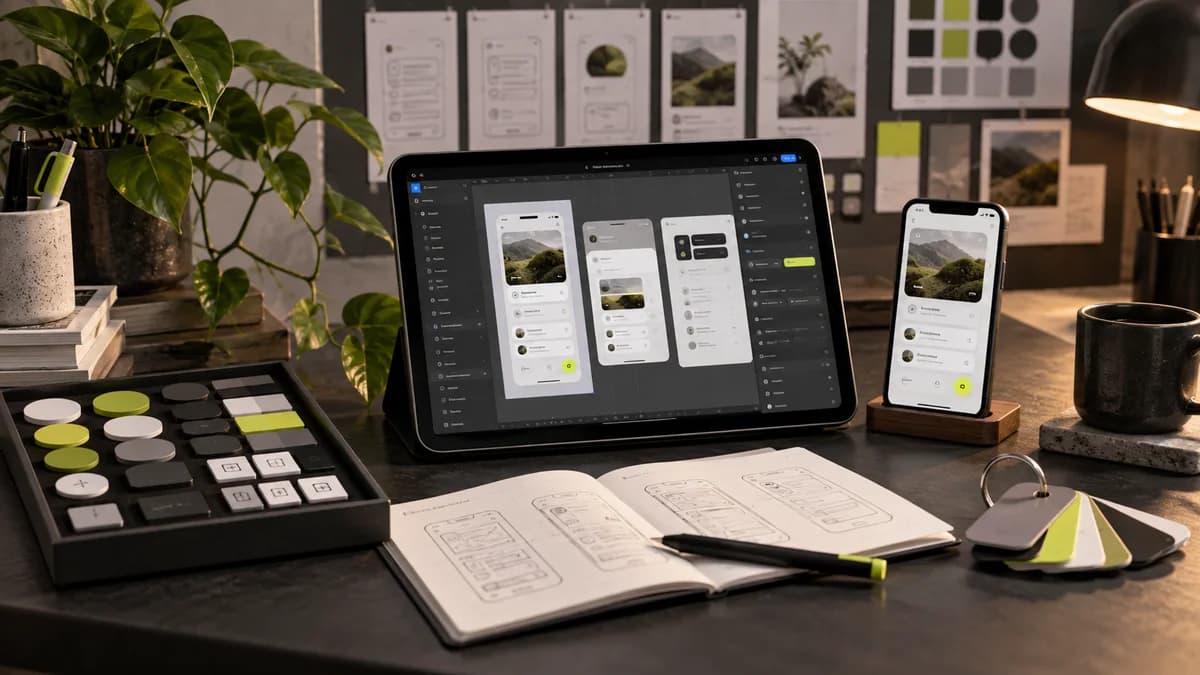
Many projects jump right into UI design just to 'move quickly' and end up making the most expensive mistake all over again. Wireframing and prototyping stages are ways to catch wrong decisions while they're still cheap.
Wireframe offers a skeleton free of visual details. Color or font is not discussed at this stage; only flow and hierarchy are verified. If the structure of a screen is wrong, even the most beautiful UI cannot save it.
The prototype makes the design clickable. Before a single line of code is written, you see where users get stuck in the real flow. Even a small test with five users is enough to reveal most of the problems.
The math is simple: fixing a problem in the design phase means minutes, hours in development, days and reputation loss after release. Teams that test early eliminate the risk of developing the wrong thing in the first place. Testing is not an expense; It is the cheapest insurance.
Frequently asked questions
At what stage of design can user testing be done?
Early testing can be done when a wireframe or prototype suitable for your question is created. There is no need to wait for every visual detail to be completed; It is important to know what behavior the test tool is capable of displaying.
Does user testing provide definitive cost savings?
No guarantee can be given. Usage problems found early can reduce the risk of misdevelopment; The actual impact depends on the scope of the project and how the findings are applied.