What gives confidence when working with a freelance graphic designer is not just getting a quick response. One needs to understand the need, write down what work will be delivered, and know how to handle feedback. The beginning of project-based graphic design work with Selçuk Aker is to clarify the needs of the brand and the channels to be used.
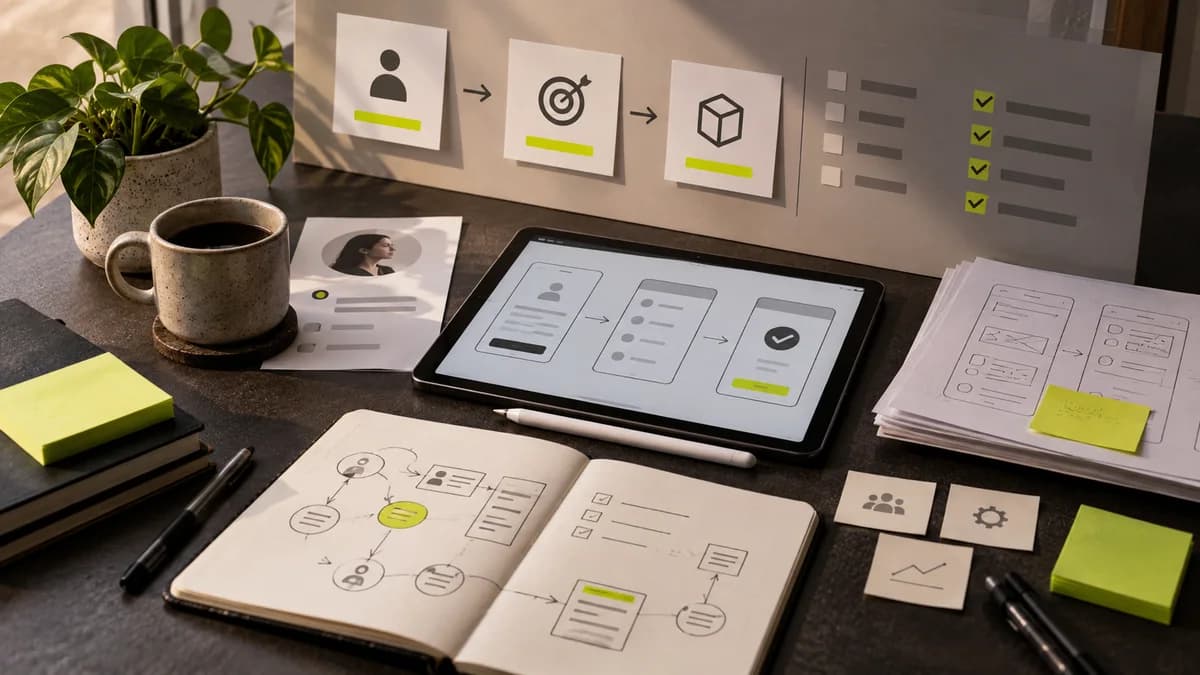
1. Discovery and brief: first the problem boundary
A new logo, product packaging or catalog does not require answers to the same questions. Joint start; target audience, message, existing brand files, usage areas and target date. A desire such as “to be more modern” does not constitute a design criterion on its own. For example, making it easier to compare products in the catalog or making the brand recognizable at first glance in the social media series are more concrete goals.
2. Concept: evaluate the design rationale
The graphic designer transforms the priorities in the brief into a visual approach. Consideration is given to what message color, typography, placement and visuals convey together. At this stage, it is more efficient to evaluate the main direction rather than completing all the measurements. Matches the written scope to which deliverables the approved approach will be applied; New requests are planned separately.
3. Revised: single list, open feedback
Conflicting separate messages prolong the process. It is useful for a single responsible person to consolidate opinions, state which change is desired and why, and rank priorities. Improving the selected design is not the same as requesting a new concept. The revision stages and the impact of the scope change on the schedule are determined in the initial proposal.
4. Delivery: prepare the file according to its intended use
Vector master file and appropriate visual versions for the logo; approved page layout and print-ready output for the catalogue; Files can be planned in the specified dimensions for social media. The terms of delivery and use of source files, fonts and images used should also be clarified. It would not be right to give the same format list to all projects without discussing the need.
Is there any preparation before printing?
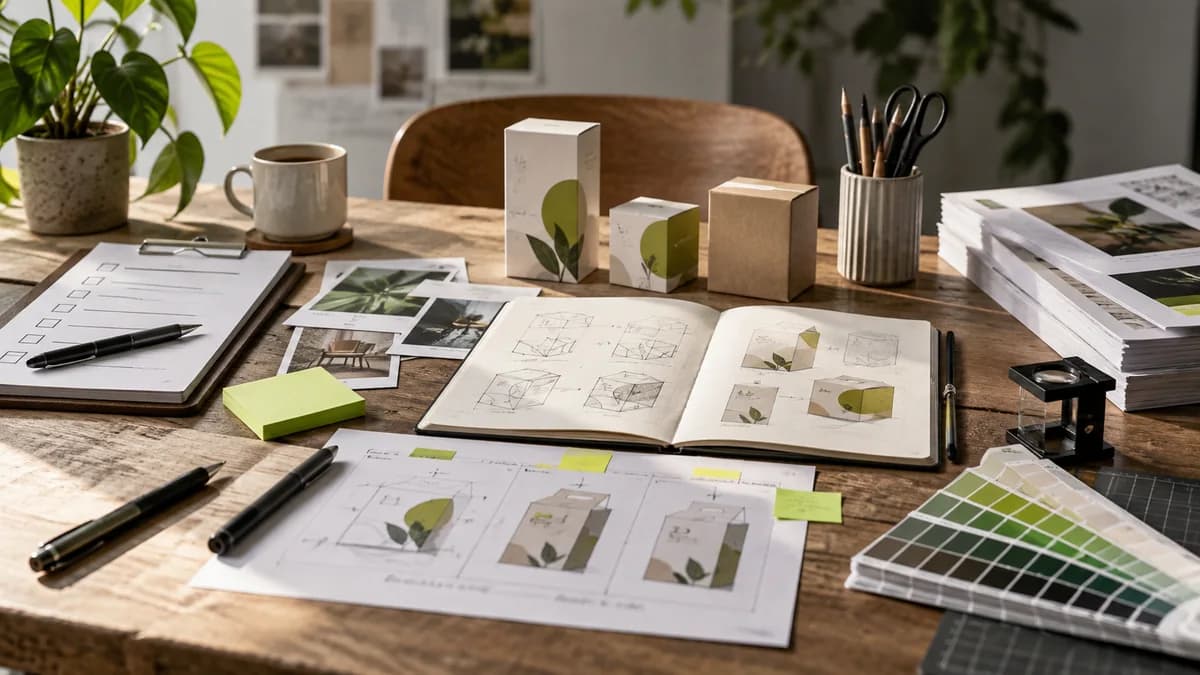
Print preparation can be included in packaging, catalog and brochure design. Measurement, cutting line, bleed, color expectation and output conditions are obtained from the printing house or manufacturer. Physical printing and production services are separate from the design fee. It should be decided from the beginning who will give rehearsal and production approval.
How are the price and delivery time determined?
The number of pages or images alone is not enough. The availability of content, the number of master designs, adaptations, evaluation stages and delivery styles affect the workload. Without this information, fixed days or single prices cannot be promised for all projects. The agreed upon schedule should include when the required contents and approvals will be provided.
Examine logo design, packaging design and catalog design separately. You can share your job description on contact page.
How should you plan for accessibility in freelance work?
Communicating directly with a freelance graphic designer does not mean instant design at any time of the day. Regular meeting time, feedback channel, and how urgent requests will be handled should be discussed at the outset. Evaluate the availability expected from the designer together with the delivery schedule; Don't confuse quick response to messages with time devoted to production.
If another expert will do part of the work, task sharing should be clear. Knowing who made the decision and who controls which file is more meaningful than having just one contact person. Senior graphic designer evaluation helps you separate the experience from the way of working.
Four questions to ask before starting work
- Who will evaluate design decisions and give final approval?
- When will text, product information and images be ready?
- Which team will use the expected delivery files?
- How will the scope and date be updated when a new request arrives?
These questions reduce uncertainty for both the client and the freelance designer. Instead of classifying customers as “difficult types,” identify which working conditions are causing problems. Conflicting feedback can be combined into one list; For pending content, its impact can be clearly shown in the calendar.
During the project meeting with graphic designer Selçuk Aker, not only visual appreciation but also this process can be discussed. A large number of change requests alone does not mean poor collaboration; It should be distinguished whether it is a correction within the same scope or a new need.
Plan graphic designer support according to your needs
- Freelance Graphic Designer for Urgent Design Job: How Should You Plan Delivery?: Reduce last-minute uncertainty by clarifying file preparation, priority, approval and delivery scope in urgent graphic designer needs.
- How to Transfer Design Files When Changing Graphics?: Collect source files, fonts, images and approved versions in a lossless transfer list when starting to work with new graphics.
- Remote Working with Freelance Graphic Designer: Feedback and Approval Scheme: Turn meetings, file sharing and revision comments into a clear working order with remote graphic designer support.
Frequently asked questions
How should revision be communicated in a freelance design project?
Send feedback in one list, paired with the relevant page or screen. Explain the rationale for the change; After clarifying the invalidating comments within the brand, forward them to the designer.
What is the difference between an open file on delivery and a ready-to-use file?
The open file is the editable source of the work; Ready-to-use output is prepared for a specific publication or production purpose. Discuss at the proposal stage which ones will be delivered and the tools needed to open them.