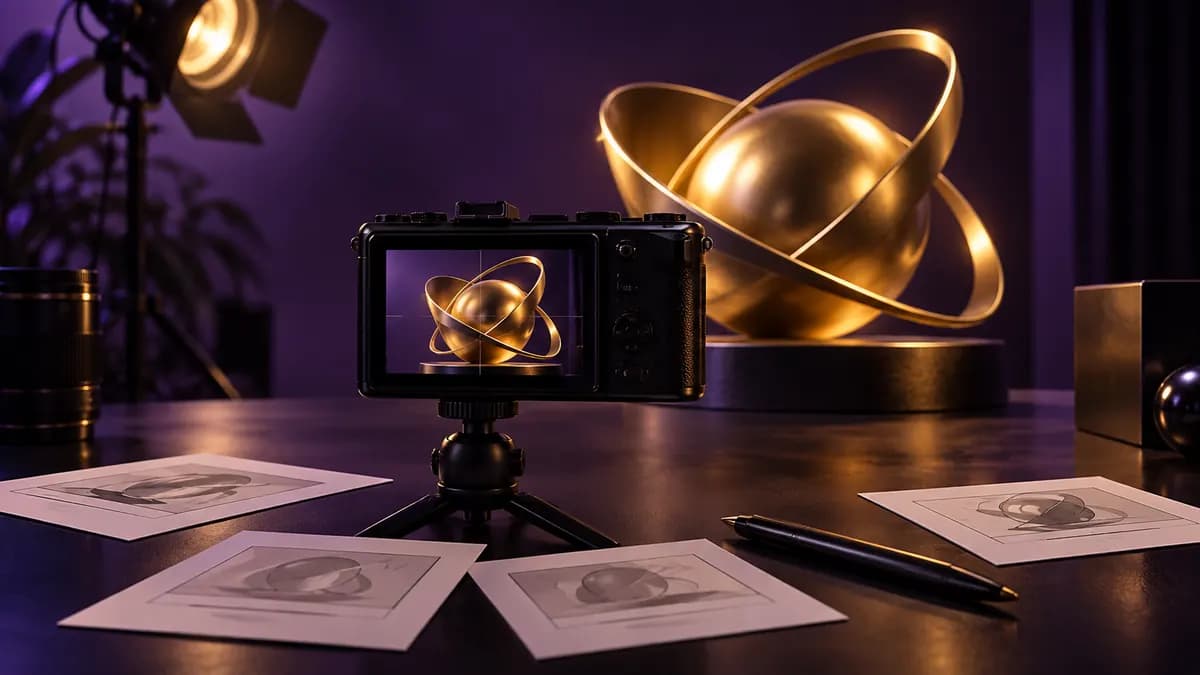
Three-dimensional visualization in graphic design; It can enable the presentation of a product, space or an abstract idea with volume, light and materials. Seeing a packaging surface on a box or examining the effect of a trade show graphic on the space are examples of this. However, a model that looks realistic on the screen does not mean that it is physically producible.
This distinction is important in the design proposal. Visual presentation, technical modeling and production verification may require different expertise and deliverables. To send a working file to a 3D printer, not only the rendering quality is taken into consideration.
First write the purpose of the three-dimensional work
Will the customer evaluate the appearance of a product, understand the way it is assembled, or will a physical sample be produced? Every purpose requires different data. While camera and light are important in marketing visuals, measurement and structural conditions are decisive in the production model.
When planning the graphic surface with the packaging designer Selçuk Aker, the box's technical template and manufacturer information should be taken as basis. A representative 3D box should not be a substitute for the actual cutting die. Graphics and structure difference in box design opens this separation of duties.
Do not mix render with production file
Render is the image of the scene created from a specific camera. Light, material, shadow and perspective affect the perception of the design. In the production file, the measurement unit, surface structure, material and technical conditions requested by the manufacturer are also evaluated.
For example, a thin glass form can be impressive in rendering. Whether this can be done durablely with the chosen production method is a separate question. It should be noted that the presentation is representative; Specifications that are not technically verified should not be presented as the exact manufacturing result.
Where can a graphic designer start?
Studying materials and light on a simple box or geometric form is a good starting exercise. First try to understand the format with one camera and one main light. Adding lots of effects will not solve perspective or scale errors.
Tools such as Blender can be examined for three-dimensional modeling and visualization. Instead of memorizing all the features of the program, build the learning plan around a small deliverable: for example, a representative product presentation of a label you designed. Keep in mind that this is not the same scope as physical product development service.
What should be included in the delivery package?
- Size and number of final images to be used.
- Camera angles and background options.
- Changeable graphic surfaces and editing scope.
- If technical production is required, the person and file conditions that will verify this.
If a source model or ready-made material is used, the conditions of use should be recorded. The presentation-production distinction in the Poster mockup guide is also valid in three-dimensional works.
Frequently asked questions
Can the 3D render file be printed directly?
It is a rendered image. 3D printing requires the appropriate model and technical conditions of the manufacturer.
Does every graphic designer have to learn 3D?
No. It may be useful depending on the scope of service; It is not a mandatory skill in all design fields.
Is using a ready-made model sufficient?
It can help with presentation. The size, usage conditions and compatibility with the product it represents should also be checked.


