Turn your LinkedIn profile into a portfolio entry that explains the work you do and your contribution to projects. The title, business case, and contact step should work together.
Put your job next to the title
The terms creative director, graphic designer or UI/UX designer create different expectations. Select the actual responsibility you took on and include what problems you solved. For example, when a designer working in packaging talks about product line, print preparation and shelf visibility, it is more descriptive than a consecutive title list. Do not write about the service you do not offer to gain visibility.
Describe the project with visuals
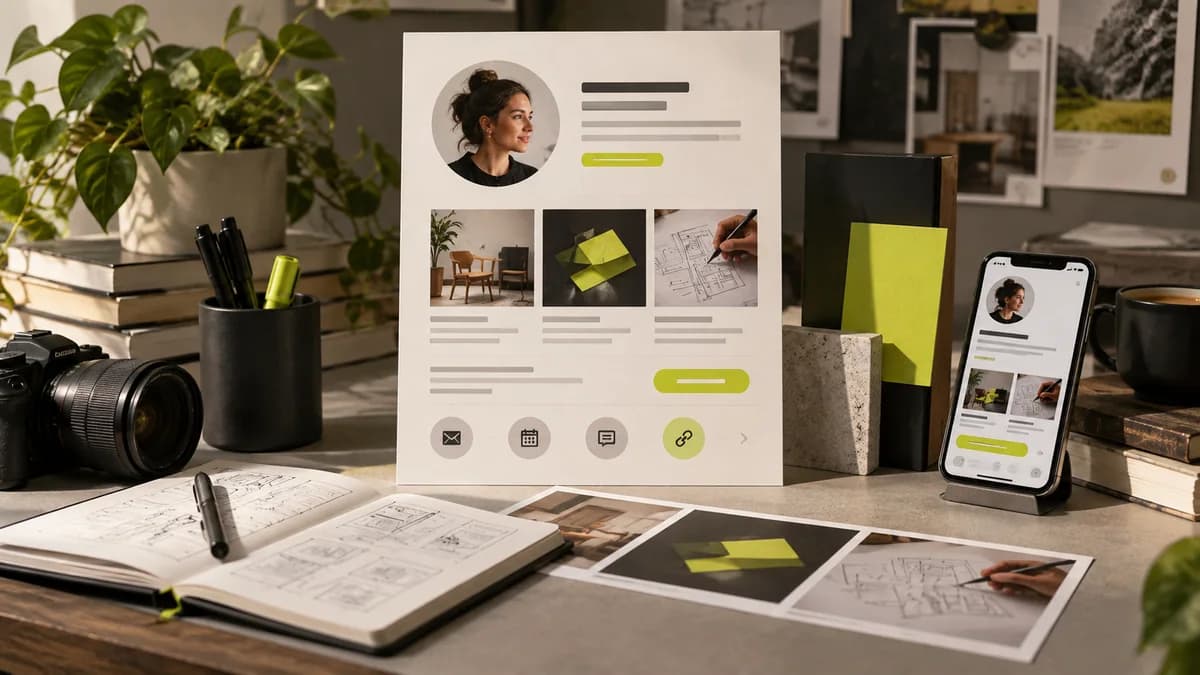
Next to a cover image, add a brief description describing the client need, your role, and the work being delivered. If it is a team project, do not make all the production your own. If someone else conducted the research, clearly state your contribution in terms of interface design, visual system or rear steering. Don't claim increased sales or conversions if the results haven't been measured.
Check the same job in different sizes
Profile covers and project previews may be cropped differently depending on devices. Don't squeeze the base image into the edges; Move the texts that will not be read in the thumbnail preview to the description section. A full-screen presentation of a work and its thumbnail in the stream do not require the same level of detail. Before broadcasting, review your own profile as a visitor on your phone and desktop.
Highlight the next step
Check that the portfolio link opens to the correct project and that the communication path is working. The profile should not produce promises that are not present on your website. At a monthly check-in, review old contacts, changing scope of work, and businesses you no longer wish to represent. The goal is not to make the profile look more crowded, but to ensure that the appropriate customer understands why they will consider you.
A short working outline for the profile description
In the first sentence, list the actual design service you offer, followed by what types of projects you work on. Explain the delivery and communication format in the next section. Use your education or experience in a verifiable manner; If an outcome was not measured, do not include a percentage of success. Simply explaining what you do is more readable than listing each search word one after the other.
My educational background is based on Marmara University, Faculty of Fine Arts, Graphic Design department. My about me page and my project portfolio are linked parts of this professional presentation. Support the claims in your profile with your own examples. If you are preparing to bid on platforms, freelance profile and first bid guide is the next step.
Frequently asked questions
Is it enough to just write Graphic Designer in your LinkedIn profile title?
Adding the production you specialize in next to the title makes the profile easier to understand. For example, specify your catalog, packaging or UI/UX focus; Do not list services that you do not undertake just because they are wanted.
How should I describe a portfolio project on LinkedIn?
Briefly describe the purpose of the project, your role and the work delivered. Separate team contributions; Make sure that the person looking at the visual understands not only the result, but also what need is being solved.